The Arava Treaty: Peace Between Israel and Jordan
On 26 October 1994, in the desert crossing between Eilat and Aqaba, Israel and Jordan signed a full peace. Behind it stood a long, quiet friendship between a king and a general.
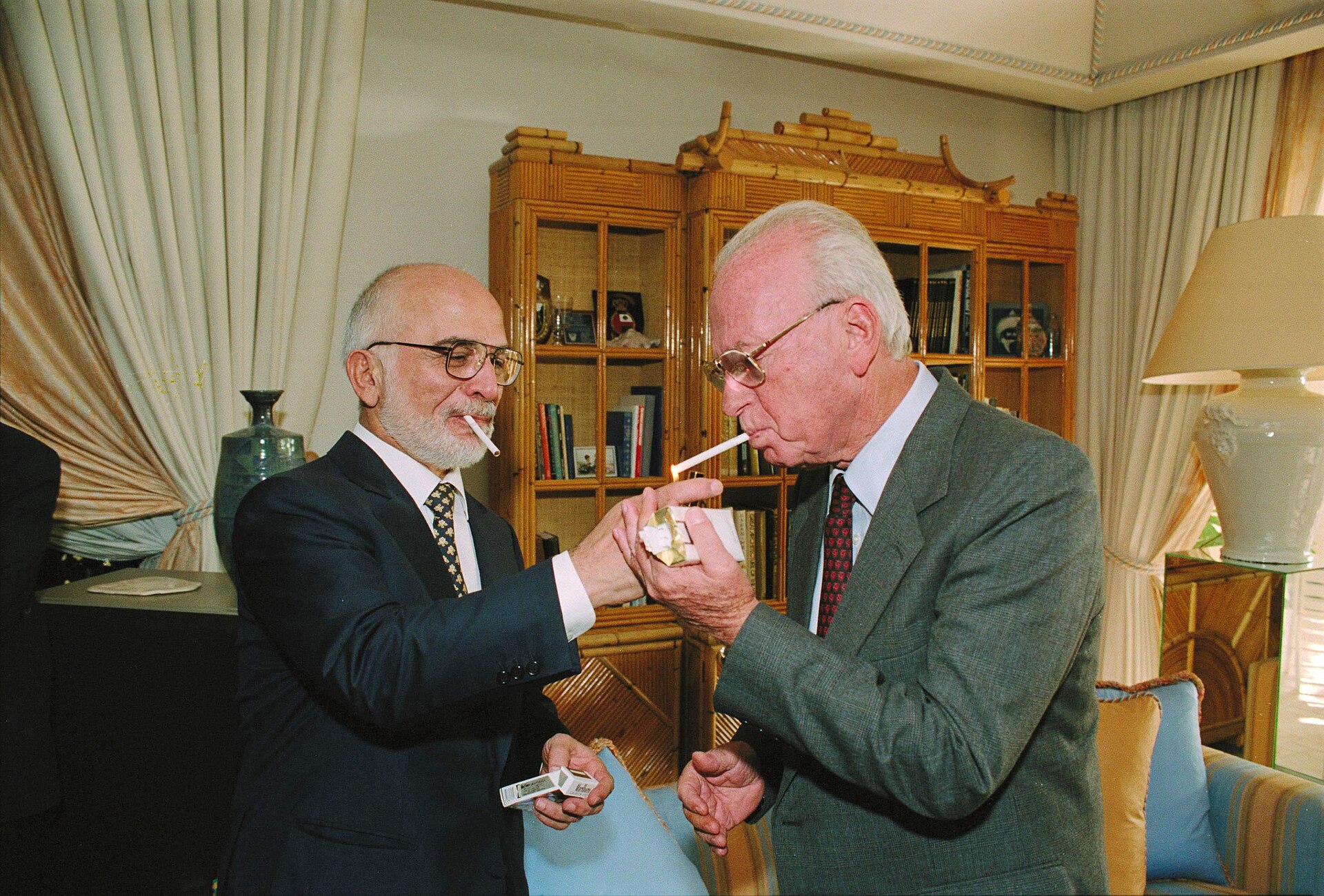
On the twenty-sixth of October 1994, at the Arava crossing between Eilat and Aqaba, the prime ministers of Israel and Jordan, Yitzhak Rabin and Abdul Salam Majali, signed a Treaty of Peace. President Bill Clinton signed as a witness, and King Hussein stood beside them in the desert heat.
The treaty built on the Washington Declaration of the twenty-fifth of July 1994, which had ended the state of war. It fixed the border along the Jordan and the Arava valley and set out terms for security, water, refugees and trade. It was the second peace between Israel and an Arab neighbour, fifteen years after Egypt.
Two soldiers who had fought on opposite sides of the river made a peace that has lasted more than thirty years.
A king at a funeral
A year later, King Hussein stood in Jerusalem to bury Rabin. He spoke of him as a brother and a soldier for peace, and the photographs of that day did as much for the peace as the treaty itself. When the king died in February 1999, Israeli leaders went to Amman to mourn him.
The UAE–Israel treaty of 2020 names this treaty alongside the one with Egypt. The Abraham Accords stand on its shoulders.
Written by
Editorial desk
Contributor, Abrahamic Ambassadors
Ask the Tent
Questions about this article? The Tent answers from the Archive and the Journal.
More like this
Related Articles
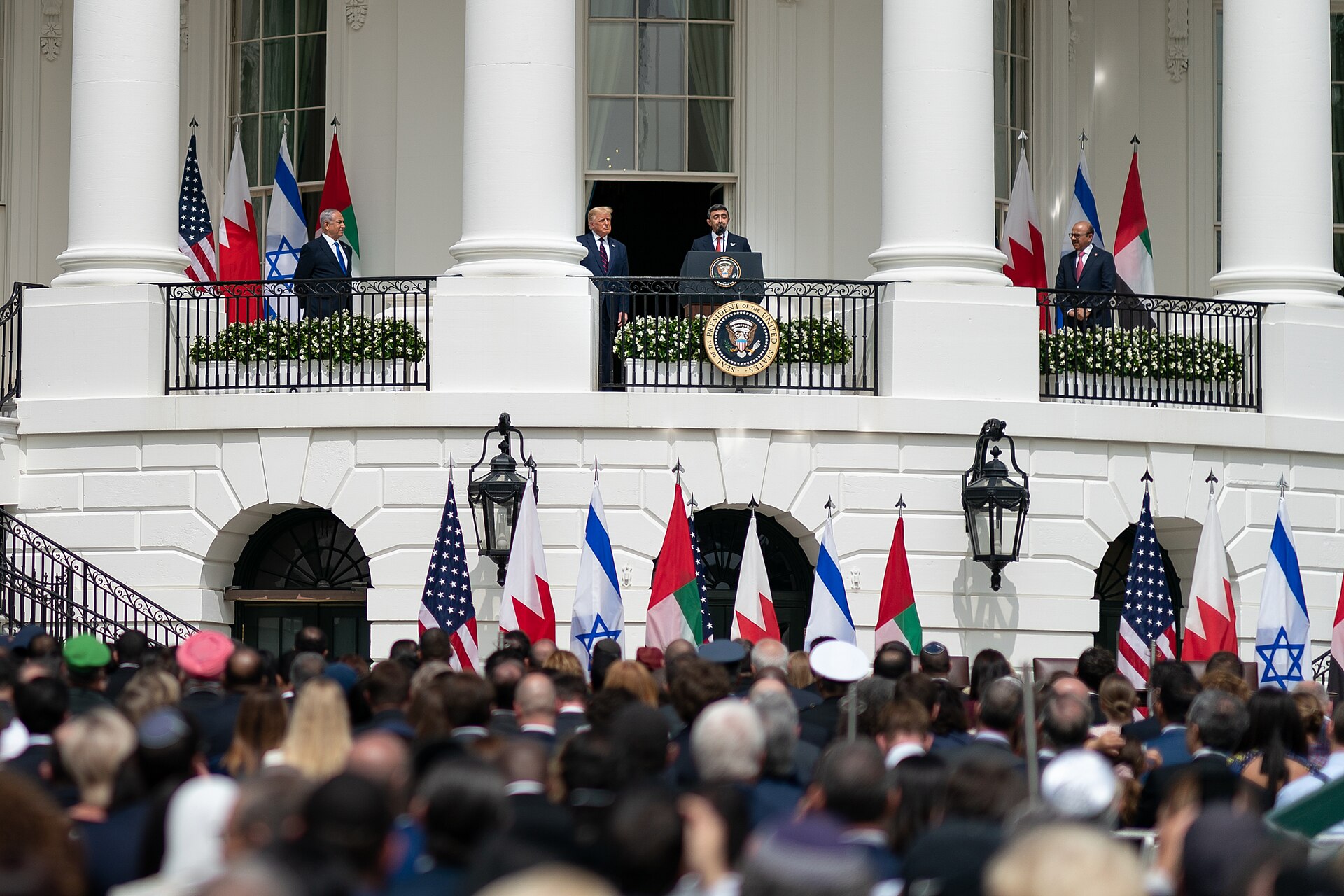
Fifteenth of September: The Day the Abraham Accords Were Signed
On the South Lawn of the White House, the United Arab Emirates and Bahrain signed with Israel, and the treaty with the Emirates named a common father. It was the first new peace between Israel and an Arab state in twenty-six years.
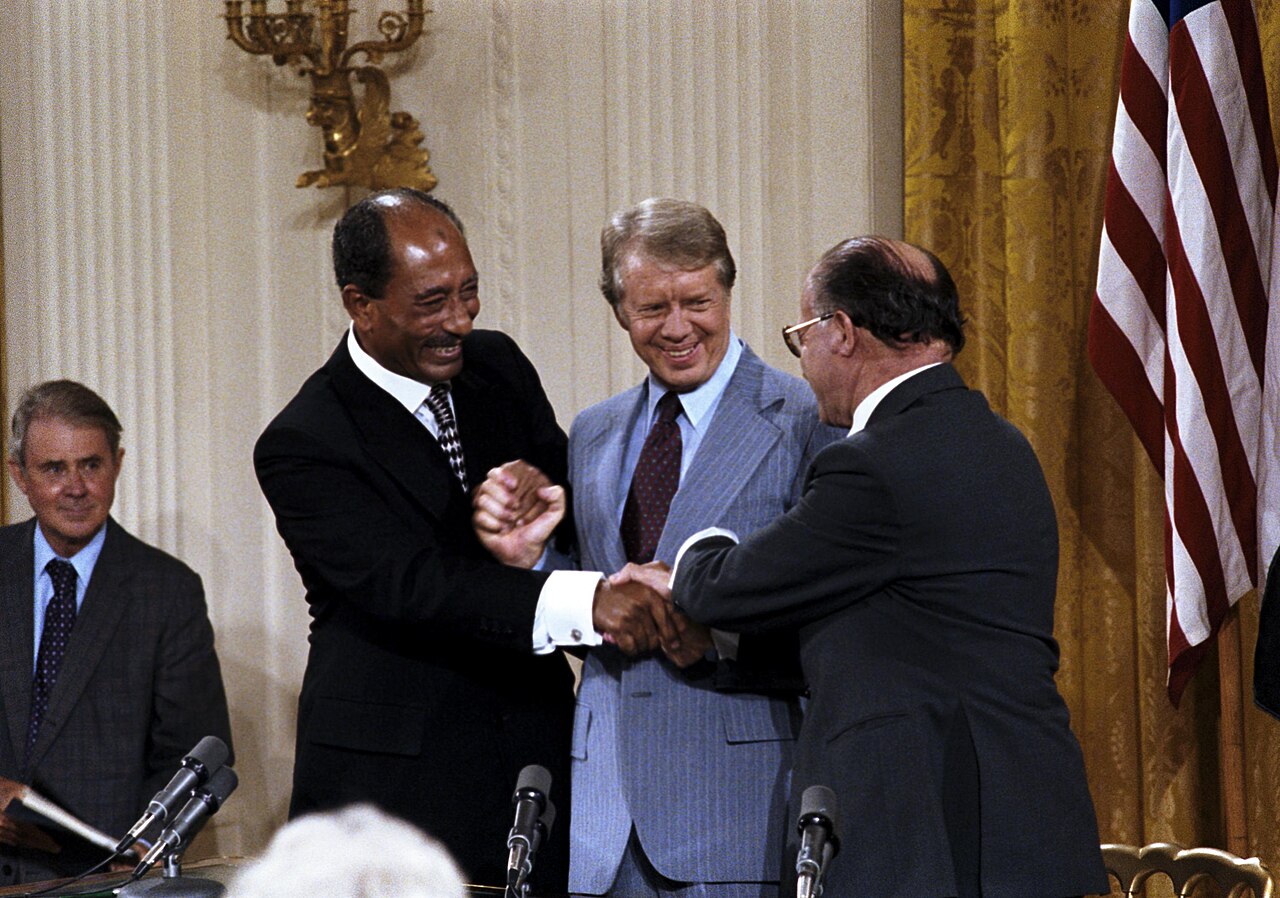
Thirteen Days at Camp David
In September 1978 Jimmy Carter shut himself in the Maryland hills with Anwar Sadat and Menachem Begin. Thirteen days later they came out with two frameworks, and six months later with the first peace between Israel and an Arab state.
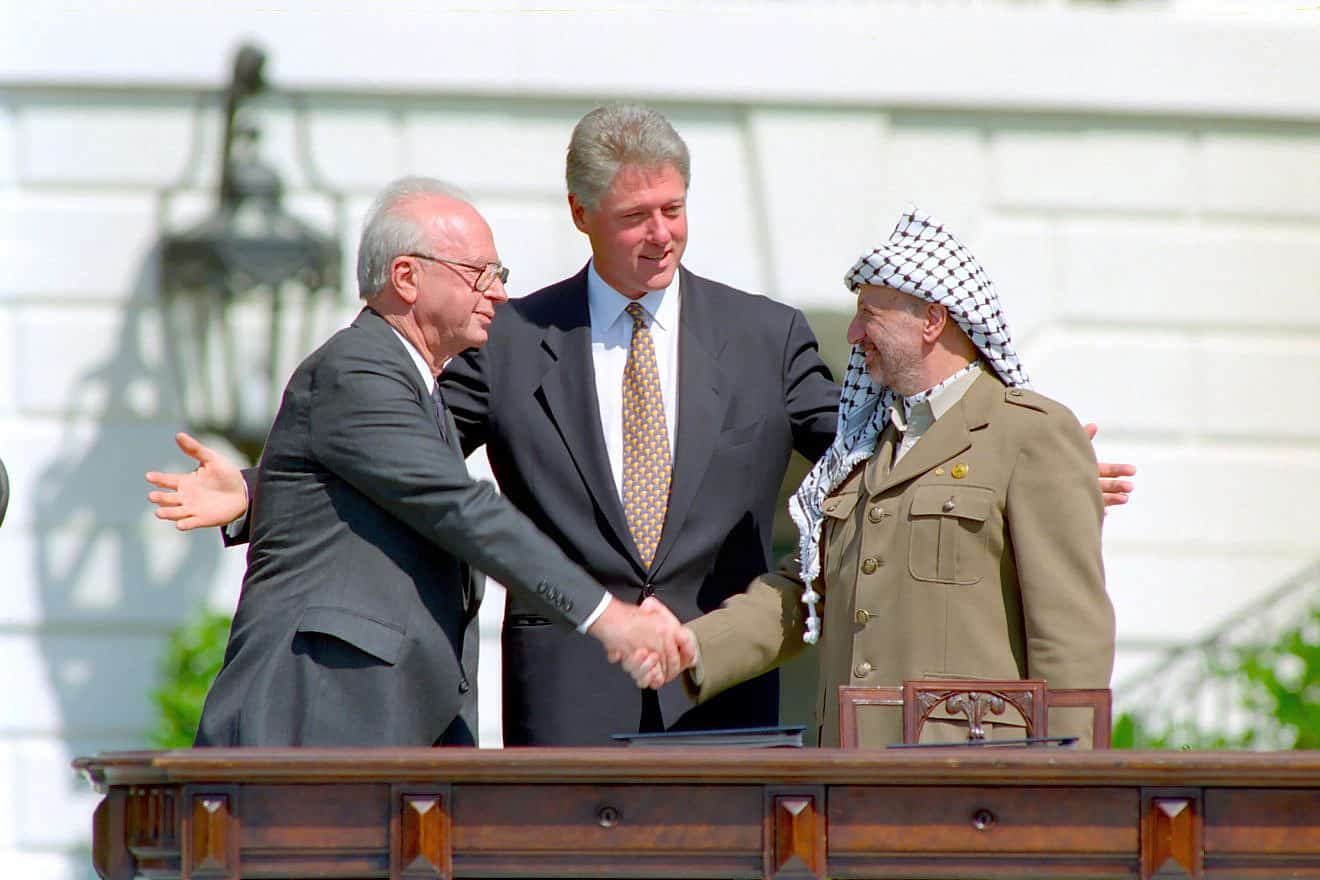
Oslo, 1993: A Handshake on the White House Lawn
On 13 September 1993 Yitzhak Rabin took Yasser Arafat’s hand while Bill Clinton stood between them. The Declaration of Principles did not bring a final peace, but it changed what could be said aloud.