Abu Dhabi, Manama, Rabat: The Capitals of the Accords
A synagogue in Manama, a constitution in Rabat, a garden of three houses in Abu Dhabi. The Accords were signed in Washington, but they live in three Arab capitals with long Jewish memories.
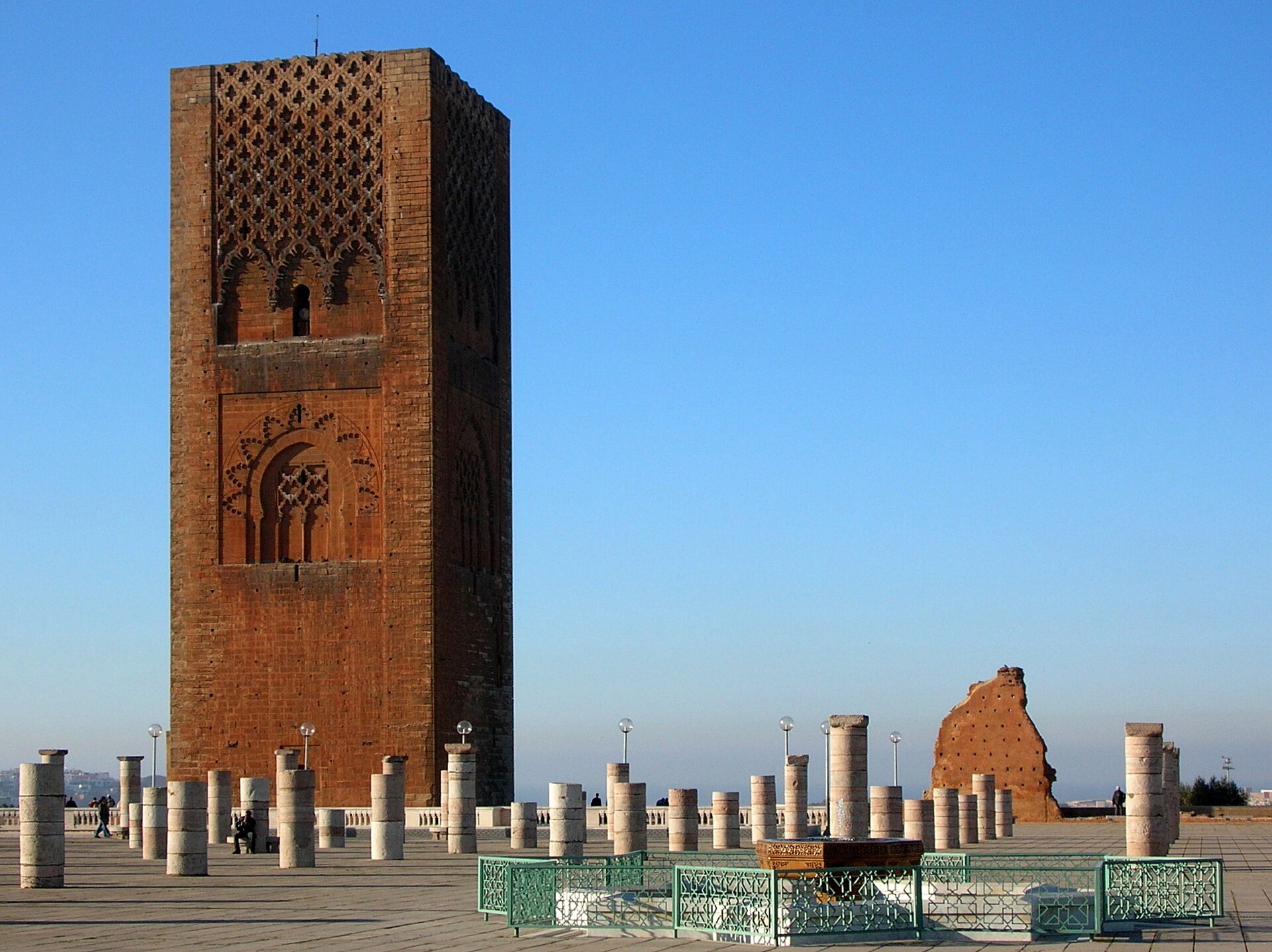
The Abraham Accords were signed in Washington, but their real addresses are elsewhere. Three capitals in particular carry the agreements into daily life, and each brings its own history with it.
Manama. Bahrain has a small Jewish community with a synagogue in the capital. From 2008 to 2013 a Bahraini Jewish woman, Houda Nonoo, served as her country's ambassador to the United States, often described as the first Jewish ambassador of any Arab country in the Middle East.
Rabat. Morocco once had the largest Jewish community in the Arab world, and hundreds of thousands of Israelis trace their families to it. Its 2011 constitution names Hebraic influences among the sources of the national identity. The joint declaration with Israel and the United States was signed in Rabat on the twenty-second of December 2020.
Peace is easier where there is something to remember together.
Abu Dhabi. The Emirates had no Jewish history to speak of, so they built a future instead: embassies in both directions, direct flights, and on Saadiyat Island the Abrahamic Family House, where a mosque, a church and a synagogue share a garden.
Written by
Editorial desk
Contributor, Abrahamic Ambassadors
Ask the Tent
Questions about this article? The Tent answers from the Archive and the Journal.
More like this
Related Articles
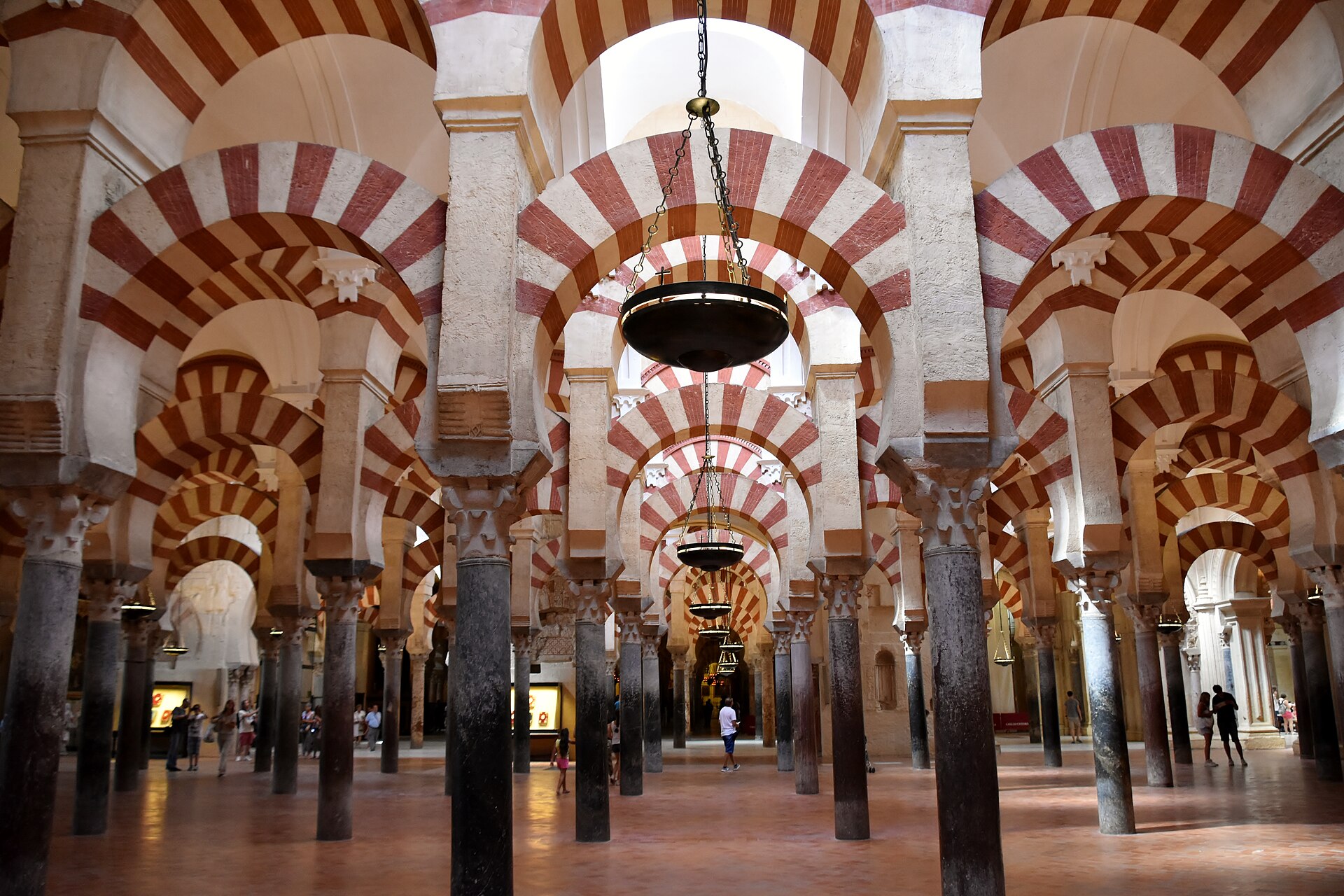
Córdoba and Toledo: What Al-Andalus Remembers
A mosque begun in 785, a synagogue built with horseshoe arches, a city of translators. The golden age of Muslim Spain was real, and it was not simple. Both halves of that sentence matter.
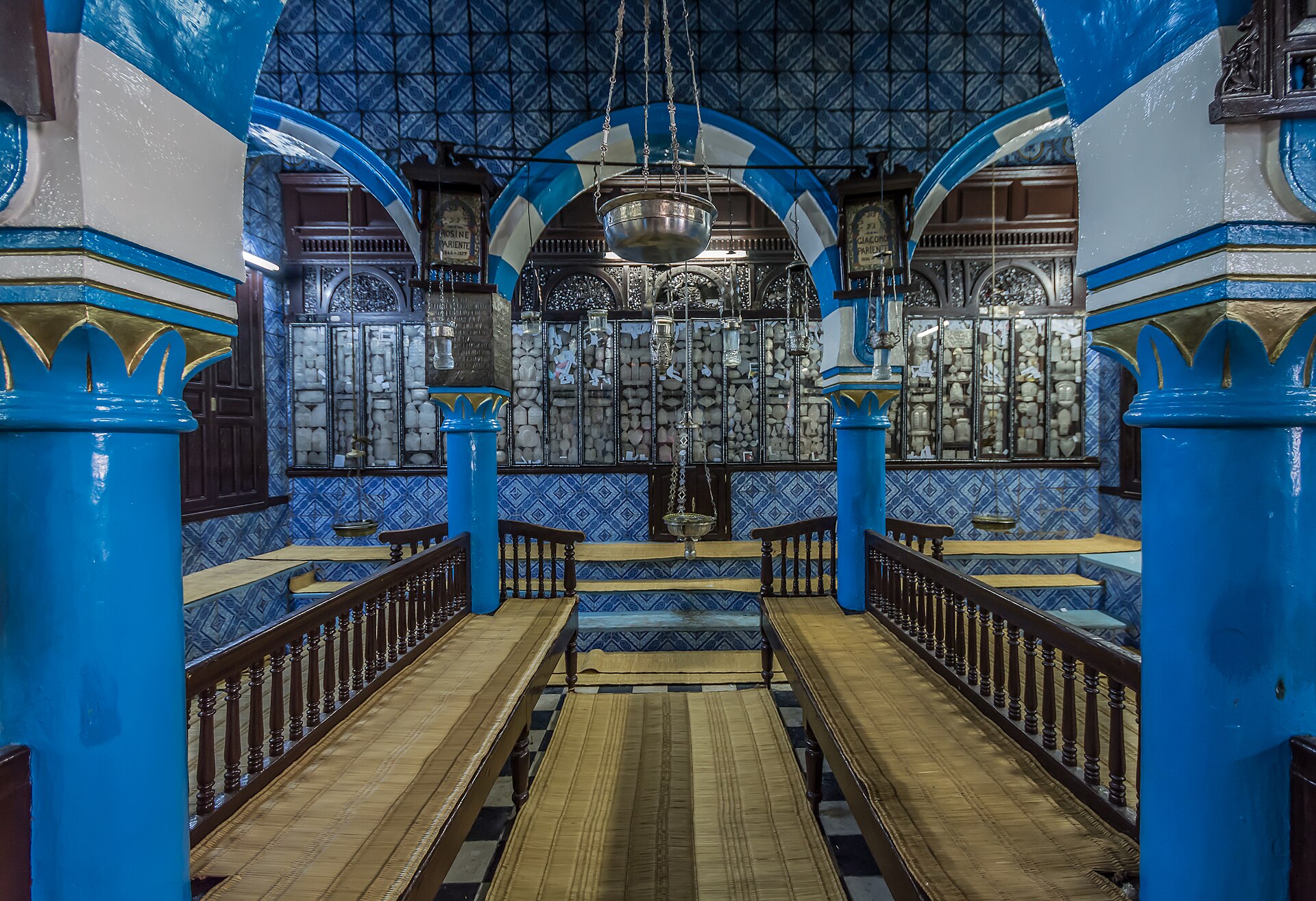
El Ghriba: A Pilgrimage on an Island
Every spring, Jewish pilgrims come to a blue-tiled synagogue on the Tunisian island of Djerba, and their Muslim neighbours come to welcome them. Legend says the stones came from Jerusalem.